


Teeth Polishing
A simple cleaning that makes your teeth feel really clean
Dear Doctor,
I read your consultation about a dental hygiene visit recently and want to know what the difference is between a dental hygiene visit and a polishing? Will my insurance pay for polishing my teeth?
Dear Brenda,
The consultation about the dental hygiene visit really clarifies exactly what is done at each hygiene visit. It was hopefully more than meets the eye for most people and was meant to give a fairly in depth breakdown of a so-called “simple cleaning.”
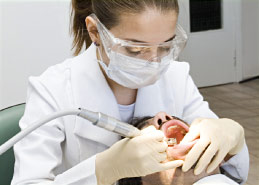
Polishing can be part of a dental hygiene visit. Depending upon your needs, their are different levels of a “cleaning” performed by a dental hygienist or dentist. Whether you have a prophylaxis (see definition below), periodontal maintenance or a scaling and root planing (deep cleaning) appointment will depend upon your periodontal (gum) health.
A “prophylaxis” pronounced “PRO-FIL-AXIS,” “prophy” for short in the profession, comes from the Greek meaning to guard or prevent beforehand. Professional polishing of the teeth is a cosmetic procedure that removes plaque and stain from the tooth surface above the gum line. Polishing is performed on patients considered in good oral health by way of proper dental hygiene practices and preventive dentistry.
Prophylaxis is a specific term in dentistry from both a dental and insurance standpoint. The definition includes: “scaling and/or polishing procedures to remove coronal (meaning crown — the part of the tooth you see in your mouth) plaque and calculus.”
Scaling is when a dentist or dental hygienist uses special instruments by hand to remove plaque, bacteria and hard deposits (i.e. calculus, sometimes referred to as tartar), which can coat your teeth causing them to feel rough or fuzzy. Scaling can be carried out by ultrasonic scalers (a device that vibrates by ultrasonic frequencies and squirts out water) and/or traditional hand instruments. Both methods can be used to smooth and clean the surface of your teeth. Polishing is done with a rubber polishing “cup,” “prophy” paste and a motorized instrument that removes bacterial plaque and surface stains at the end of the appointment leaving your teeth shiny and smooth.
The word coronal is important because it specifies that the cleaning is to include anything above the gum tissues, not below. Any type of cleaning below the gum tissues is related to a different type of cleaning procedure. Periodontal maintenance, a more involved periodic cleaning is for people with ongoing periodontal (gum) issues. Scaling and root planning is a deep cleaning below the gum line used to treat and manage periodontal disease (an infection of the gum and jaw bones). Both of these subjects are important topics as well but not discussed in great detail to answer your question.
Here's the answer to the insurance part of your question. The definition of prophylaxis conforms to the American Dental Association (ADA) Code D1110 — Prophylaxis – adult. “Removal of plaque, calculus and stains from tooth structures in the permanent and transitional dentition. It is intended to control irritational factors.”
This is the code you or your dentist should submit to your insurance company with the appropriate documentation for re-imbursement. Most dental insurance companies do pay for one or two “Prophylaxes” or polishings under their definition, per year. However, insurance benefits vary and basically depend upon what your specific plan covers.
You raised an important question — hope this helps.


